Cinema Is Changing Faster Than Ever: Inside the Biggest Movie Trends of 2026
Movies are no longer just about what happens on screen. In 2026, cinema reflects how we live, think, scroll, and connect. From AI-assisted filmmaking to global stories breaking language barriers, the film industry is quietly reinventing itself and most people don’t even realize how fast it’s happening.
Here’s a deep look at how movies are evolving right now, and why this shift matters more than ever.
Movies Are No Longer Made the Same Way
Behind today’s films, technology is doing far more than audiences realize. Artificial Intelligence is now part of script evaluation, post-production, dubbing, and even audience prediction. Instead of replacing filmmakers, AI is shaping decisions quietly helping studios reduce risk while speeding up creativity.
What’s interesting is the counter-trend: audiences increasingly value human-led storytelling. Transparency about technology use has become a sign of authenticity, not weakness. In 2026, creativity backed by technology not controlled by it is the winning formula.
Watching Movies Is Now a Choice, Not a Habit
Going to the theater is no longer automatic. Viewers choose where and how to watch and that shift has reshaped cinema forever.
Streaming platforms like Netflix, Amazon Prime Video, and Disney+ are releasing movies directly to global audiences, often in multiple languages at once.
The result? Films don’t wait for weekends anymore. They arrive anytime, anywhere and audiences expect instant access without compromising quality.
The World Is Watching Each Other’s Stories
One of the most powerful changes in cinema today is how global it has become. Language is no longer a barrier. Subtitles, dubbing, and smart recommendations have opened doors to stories from different cultures.
Regional cinema especially from India, South Korea, and Europe is influencing global storytelling styles. Strong emotions, rooted narratives, and cultural authenticity are winning hearts worldwide. Hollywood is no longer the only storyteller shaping global taste.
Big Screens Still Belong to Big Stories
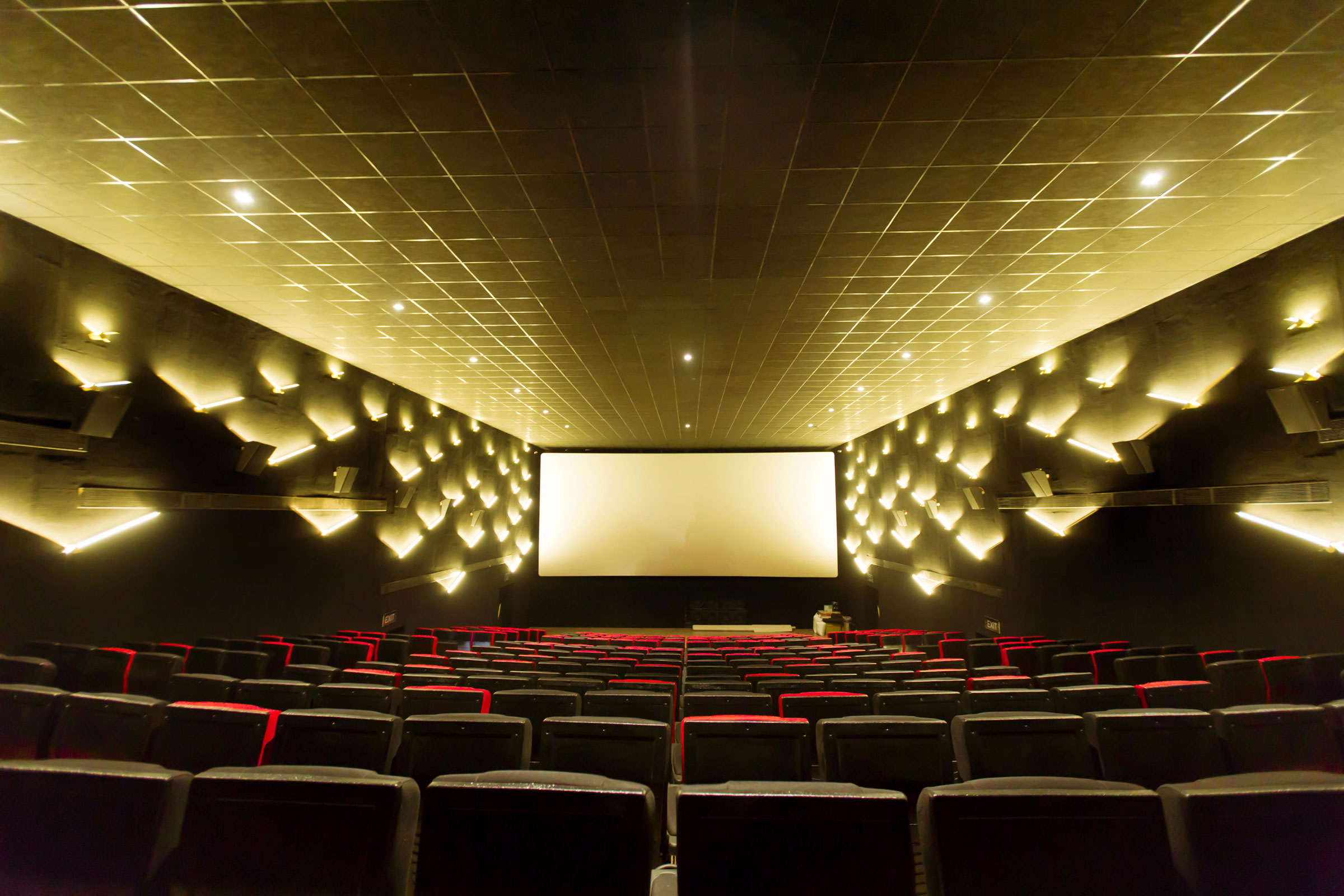
Despite digital dominance, theaters still matter but only for films that truly demand the big screen.
Large-scale franchises continue to pull audiences out of their homes by offering experiences streaming can’t replicate. Films like Avengers: Doomsday, Dune: Part Three, and The Odyssey show that spectacle, scale, and shared excitement remain powerful.
Cinema halls are no longer for every movie they are for events.
Fear, Tension, and Thrill Are Back in Demand
Horror and psychological thrillers are having a quiet but powerful moment. These films don’t rely on massive budgets they rely on atmosphere, emotion, and ideas.
Younger audiences, especially, are drawn to stories that feel intense, unsettling, and different. Horror has become a space for experimentation, social commentary, and bold storytelling and audiences are responding.
Why Old Stories Feel New Again
Nostalgia is playing a bigger role than ever. Familiar characters, remakes, sequels, and re-releases tap into memory and emotion something algorithms can’t replicate.
Studios are revisiting classics not just to repeat success, but to reconnect generations. Watching a familiar story in a theater again has become an experience, not just entertainment.
New Voices Are Changing What Cinema Looks Like
Audiences today notice who is telling the story. Films with diverse perspectives, inclusive casting, and grounded social themes are earning trust and loyalty.
While there is progress on screen, conversations about representation behind the camera continue. In many ways, cinema is reflecting the same questions society is asking about voice, power, and visibility.
Independent Films Are No Longer Invisible
Independent cinema is thriving in a new way. Streaming platforms and global festivals have turned small films into global conversations.
Without traditional gatekeepers, original ideas now have a chance to reach the right audience and many of today’s most talked-about films began as small, risky projects.
The Future of Movies Is Not One Thing It’s Many
Cinema in 2026 isn’t choosing between theaters and streaming, technology and creativity, or local and global stories. It’s blending all of them.
The future of movies belongs to:
- Strong storytelling
- Cultural authenticity
- Smart use of technology
- Audiences who choose meaning over noise
Movies aren’t disappearing. They’re becoming more personal, more global, and more powerful than ever.